What “partly AI” meant on Duottar Disco
When I delivered Duottar Disco to my distributor, I marked it partly AI. A label like that tells you AI is in there somewhere. It tells you nothing about what was made, how, or by whom. So here is what partly AI actually meant on this track.
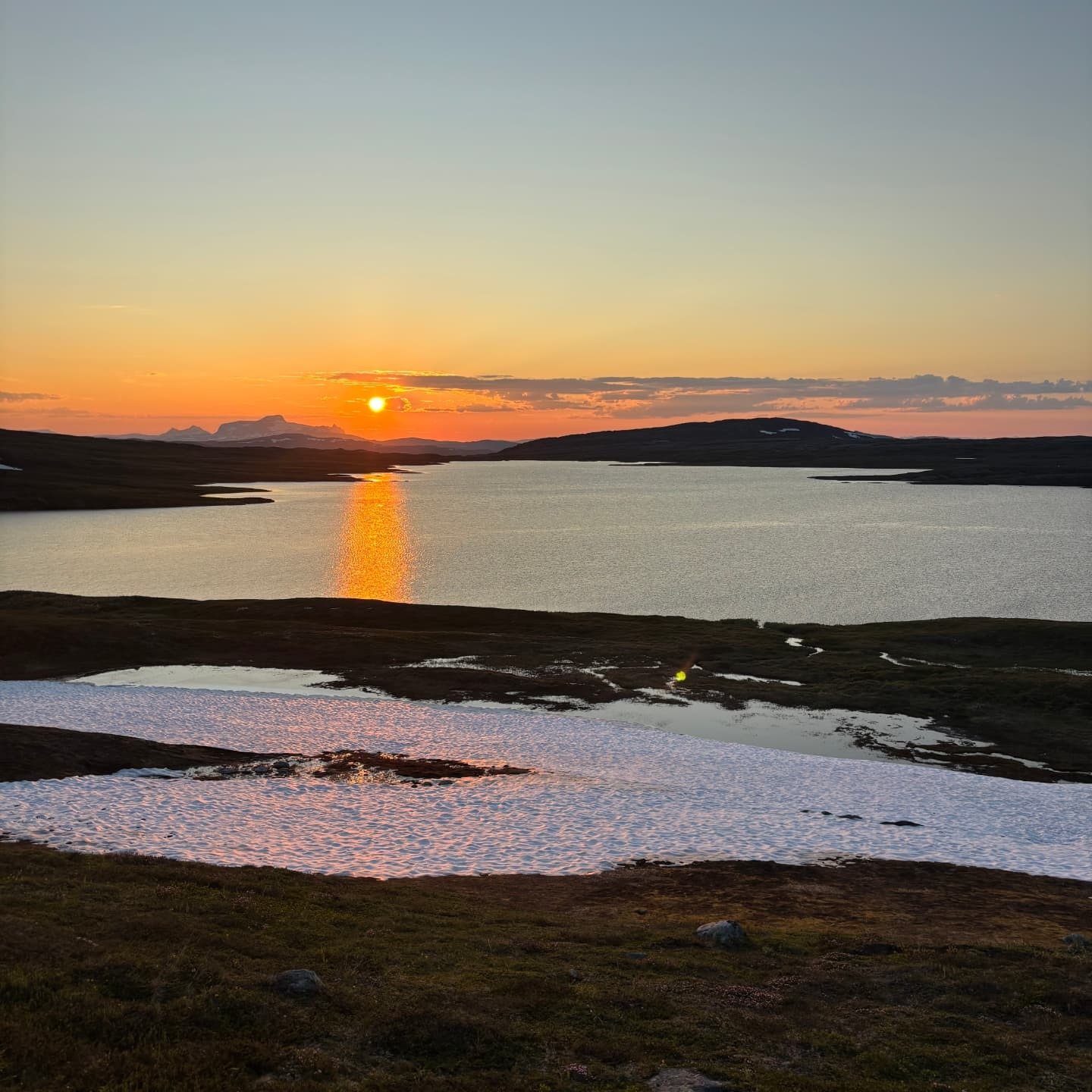
The track began last summer on Saltfjellet/Sálltoduottar.
I spent a weekend there alone with 25 to 30 kilos of recording equipment, collecting sounds of water, birds, wind and grass.
One evening I was sitting by the water when a melody appeared in my head. I hummed it into my phone before I forgot it.
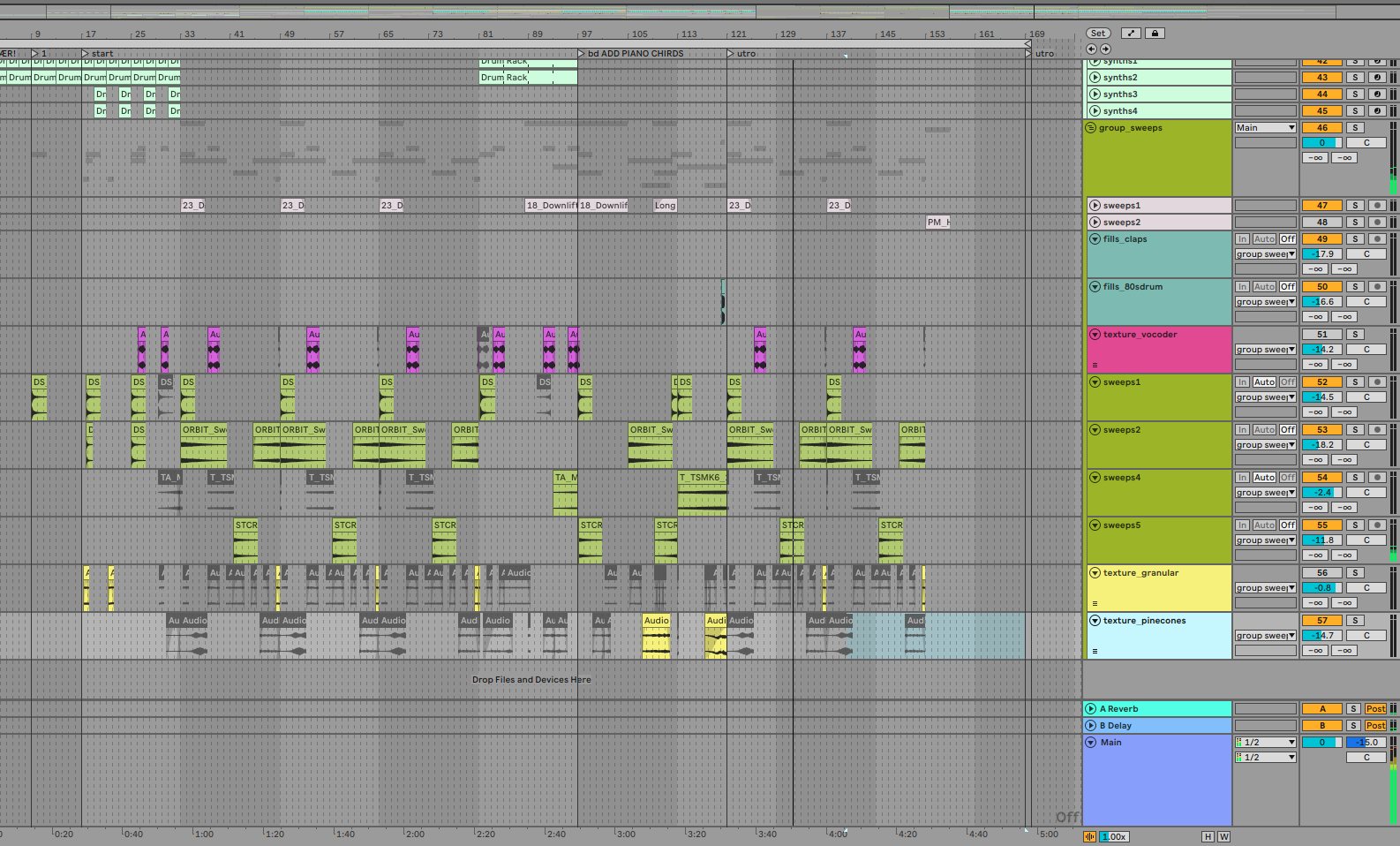
Back home, I recreated the melody in Ableton and started building the track. The melody became synths, and I started playing around with strings. I already had a direction I liked, but I was curious about how much further I could push it.
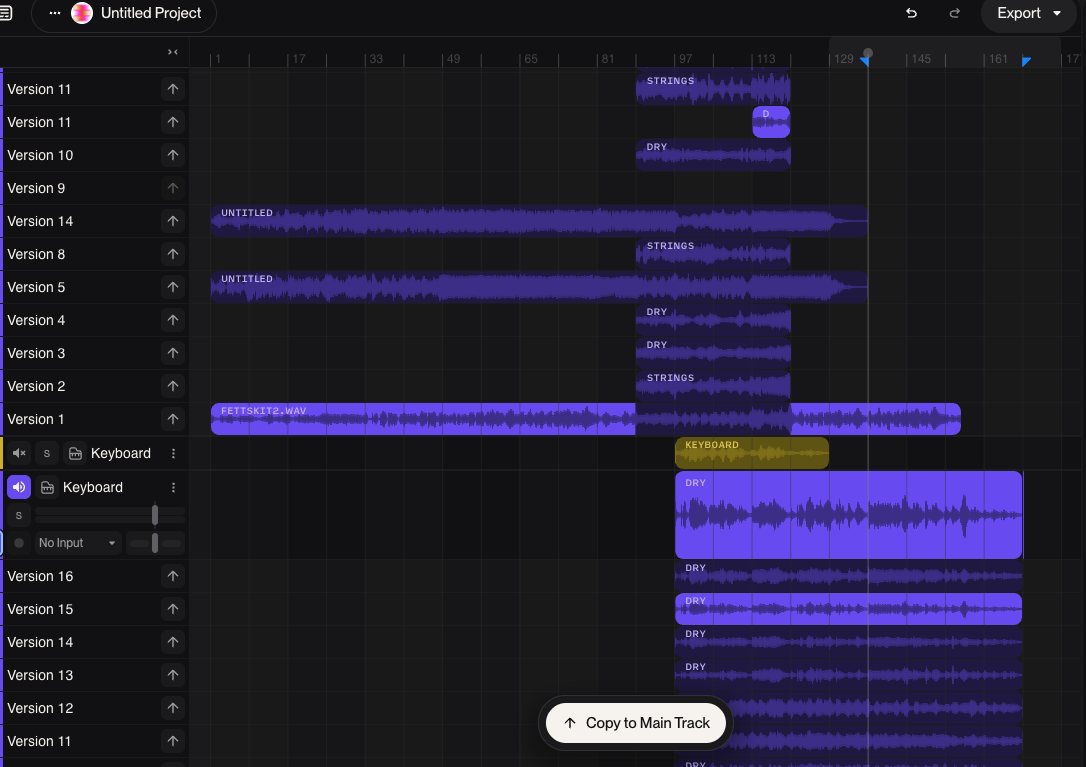
197 iterations
That was when I brought the track into Suno Studio. I fed it material and started experimenting with different versions of the strings and orchestration. Some results sounded decent, but it took a long time to get anything useful. The parts I liked went back into Ableton. From there, the track started moving between the two.
I would change something in Ableton, add a melody or another layer, send a new version into Suno, take something back out and continue working. Sometimes a generated part survived. Sometimes it only gave me an idea. By the time I stopped, I had gone through around 197 iterations in the Suno Studio project alone. In addition, of course, come all the small creative decisions in Ableton.
In short — it became part of the usual process of trying things, keeping what worked and throwing away what did not.
What is in the finished track?
There are AI-generated sounds in the final recording, for example that acid bassline you hear in the back of the track, vocal chops I first generated there and chopped up and re-arranged in Ableton — as well as synth sounds I have layered into the mentioned Ableton project. (Getting that kind of movement on a 303 is something which would usually take me days of knob-twisting and automation.)
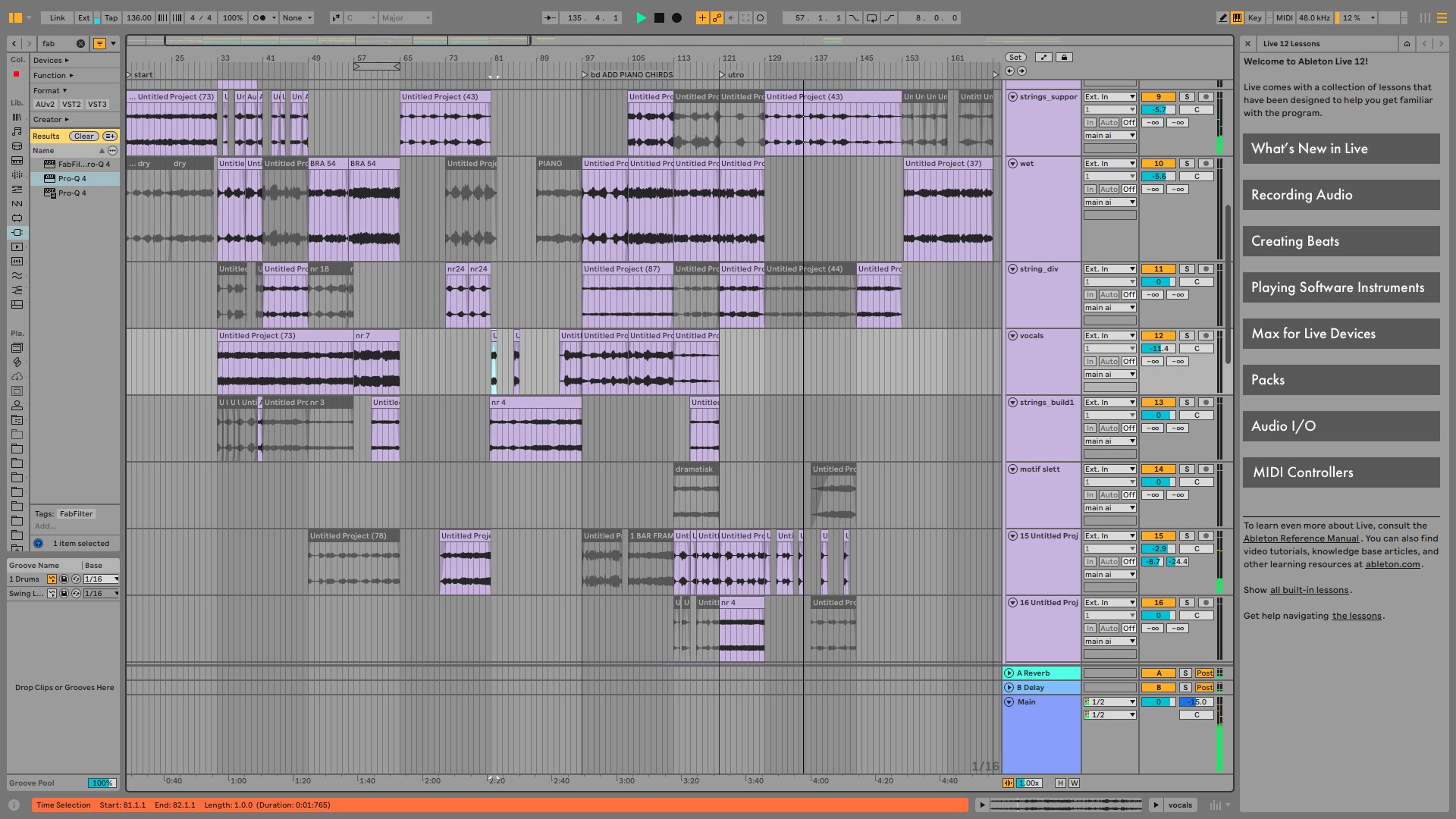
There are of course also my own synths, field recordings from Sálltoduottar and drums programmed manually in Ableton, note by note. The final mix and master is done by a professional mixing engineer.
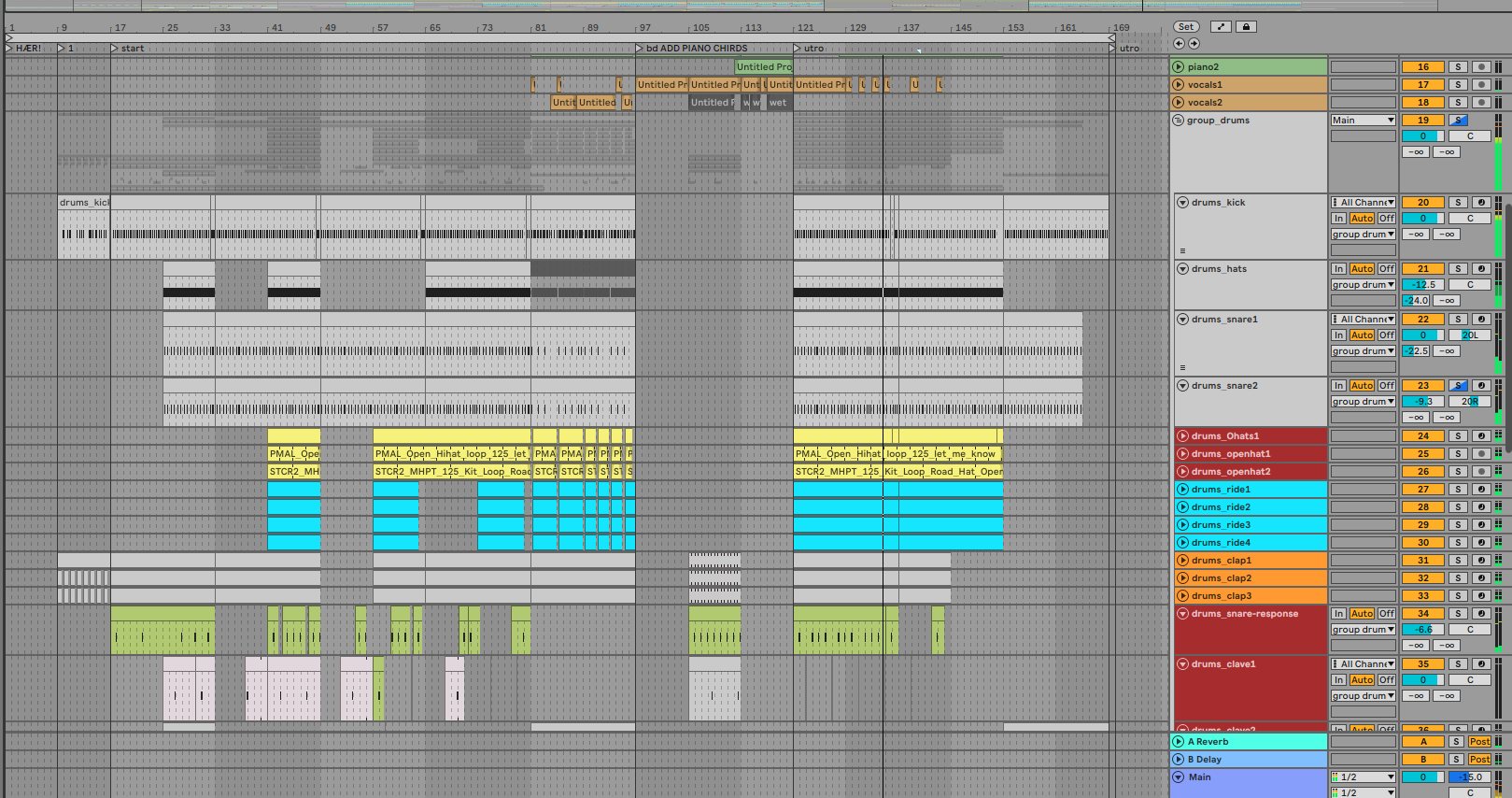
So partly AI feels accurate for me. What it does not tell you is how the track was actually made. Spotify is now starting to approach AI credits. Instead of labelling an entire track as AI-generated — period, its new credits can show where AI was used, for example in vocals, instrumentals or production.
I think that’s the right approach.
Electronic musicians have always been early adopters of new technology, and I think that also gives us a chance to talk openly about how these tools are changing the way we make music.
I, of course, also have concerns about this new technology. At the same time, I want to explore what these tools can do for our artistic practice.
Duottar Disco is in that regard also part of a learning process.
The «partly AI» label tells you that AI is in there. This note tells you more about what that actually means.